
 (77 Ratings & Reviews)
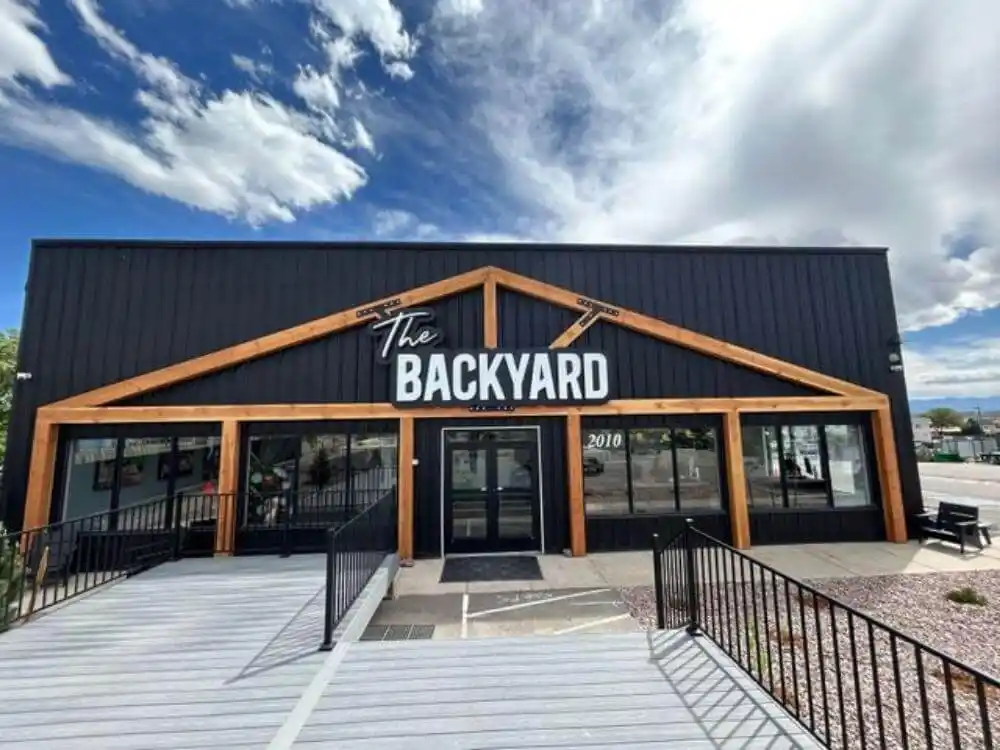
Commercial sign design for Denver retail is the strategic process of creating storefront and interior signage that communicates a brand’s identity, attracts foot traffic, and meets the city’s zoning and permitting requirements — all within the visual density of one of the fastest-growing retail markets in the country. Effective retail signage in Denver in 2026 balances bold brand visibility with neighborhood aesthetic standards, whether a business operates in RiNo’s industrial-creative corridors, Cherry Creek’s upscale shopping district, or the high-foot-traffic blocks of LoDo. The right sign doesn’t just look good — it works as a 24/7 sales tool.
Why Commercial Sign Design Matters for Denver Retail
Denver’s retail landscape is genuinely different from most U.S. markets, and the difference shows up in how signage performs. The city’s 300 days of annual sunshine means illuminated and reflective sign materials behave differently here than in overcast markets — colors stay truer longer, and backlit channel letters are visible at hours when ambient light in other cities would wash them out. At the same time, Denver’s rapid neighborhood evolution means the same sign strategy that works in a Cherry Creek boutique can completely miss the mark in a RiNo concept shop.
According to the International Sign Association, businesses that invest in high-quality exterior signage see an average 7–12% increase in foot traffic within the first 90 days of installation. For Denver retail, where competition for walkable consumer attention intensifies every year, that number represents real revenue. A well-designed commercial sign isn’t a cost — it’s a customer acquisition channel with a one-time implementation fee and a multi-year lifespan.
Commercial signage — any exterior or interior sign used to identify, promote, or direct customers to a business — has evolved significantly in the past three years. The 2026 Denver retail environment rewards signs that are legible at vehicle speeds on major corridors, visually distinctive at pedestrian level, and consistent with a brand’s digital presence. Consumers now cross-reference what they see on a storefront with what they see on Instagram; your sign is part of your visual brand ecosystem, not a standalone element.
The Sign Types That Perform Best in Denver Retail Environments
The table below reflects installed pricing from projects completed across the Denver metro. Prices include design, fabrication, and standard installation unless noted. They do not include permit fees, which are listed separately.
Channel Letter Signs
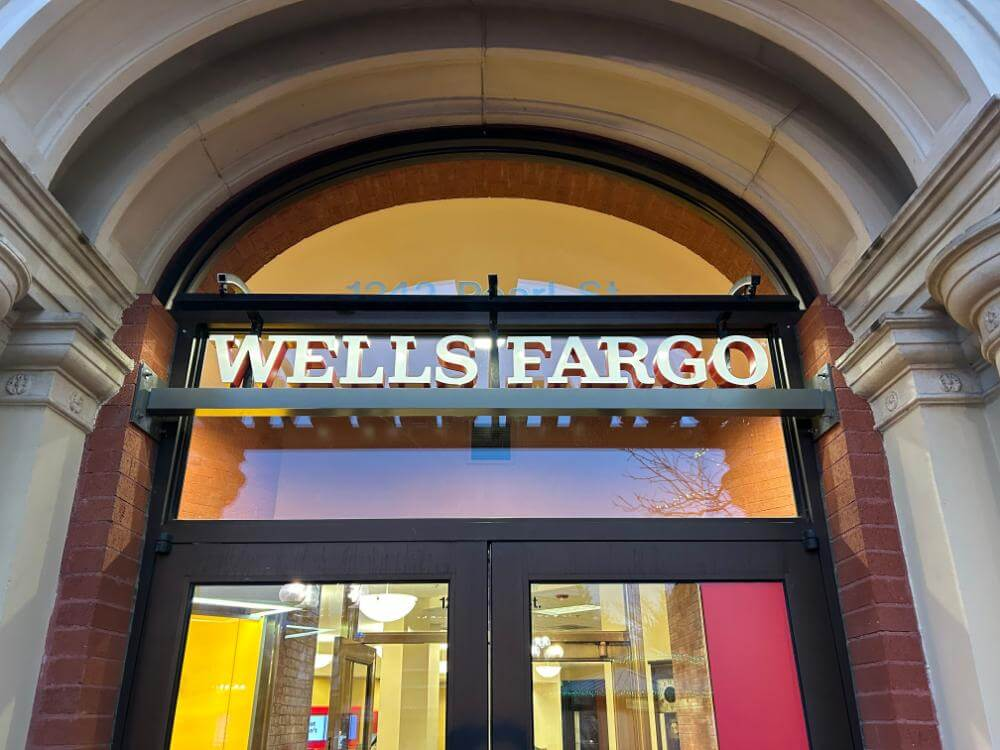
Channel letters remain the dominant choice for Denver retail storefronts in 2026, and for good reason. These three-dimensional, individually cut letters — typically aluminum-faced with LED illumination — are readable from distances exceeding 200 feet, hold up exceptionally well in Colorado’s freeze-thaw climate cycles, and carry a perceived quality signal that flat-panel alternatives can’t replicate. Front-lit, back-lit (halo effect), and combination-lit variants each create a different brand impression; back-lit channel letters, which cast a glow behind the letter form, have become particularly popular in Denver’s design-forward retail corridors like RiNo and South Broadway.
Monument Signs
For Denver retailers in multi-tenant properties, shopping centers, or suburban corridors with high vehicle traffic, monument signs are a critical brand asset. A well-designed monument sign at a property entrance creates the first brand impression before a customer even enters the parking lot. Denver-area commercial zones typically allow monument signs up to 6 feet in height (specific limits vary by zone district — always verify with Denver Community Planning and Development before fabrication). Modern monument sign designs integrate digital panels, allowing retailers to update promotions and hours in real time — a feature that has seen strong adoption among Cherry Creek and Belleview Corridor retailers since 2023.
Window Graphics & Vinyl
Window graphics are one of the highest-ROI signage investments for Denver retailers operating in street-level spaces with significant pedestrian exposure. High-quality perforated vinyl allows full-coverage graphics visible from the street while maintaining interior visibility for staff — a popular application in Denver’s Lower Downtown and Colfax corridor. Frosted vinyl creates privacy glass effects without permanent modification, ideal for leased retail spaces where reversibility matters. Cut vinyl lettering for hours, social handles, and promotional messaging is a low-cost, high-impact addition that consistently improves brand cohesion at street level.
LED & Digital Signage
Full-color LED signs and digital message centers have moved from novelty to near-necessity for Denver retailers competing for attention on high-traffic corridors. The key design consideration in Denver is direct sun exposure: Colorado’s high-altitude UV environment requires LED panels rated at 7,500 nits or higher to remain legible in full afternoon sun — a spec detail that differentiates quality installations from cheap alternatives that fade to invisibility by July. For retailers in Class A shopping centers, LED sign design must also comply with property management standards, which often mandate specific brightness ceilings and animation restrictions. We review these requirements at the design stage, before fabrication, so there are no surprises at permitting or installation.
Denver Sign Permits: What Retail Businesses Need to Know in 2026
One of the most consistent sources of retail signage delays in Denver is permitting — specifically, projects that enter fabrication before a permit review, only to require design revisions that add weeks to the timeline. Denver’s sign code is administered by Denver Community Planning and Development (CPD) and is organized by zone district, meaning the rules for a sign in a B-4 general business zone differ meaningfully from those in an I-MX mixed-use industrial zone (common in RiNo and Globeville).
Key permit considerations for Denver retail sign projects in 2026 include: total allowed sign area per linear foot of building frontage (typically 1.5–2 square feet per linear foot in most commercial zones), illumination restrictions in residential proximity zones, height limits for projecting signs in historic districts like Larimer Square, and structural engineering requirements for signs over 32 square feet. Electric sign permits require a separate electrical permit in addition to the sign permit itself — a step some sign companies omit from project timelines.
Our design process at Vision Visual Signs includes a permit pre-check at the concept stage. Before we finalize any design, we verify the applicable zone district regulations, calculate allowable sign area, and flag any conditions that would require a variance. In our experience working across Denver’s retail corridors, this upfront review eliminates the most common source of project delays and means our clients can commit to installation timelines with real confidence.
Commercial Sign Design Principles That Drive Denver Retail Performance
The best retail sign design in Denver in 2026 follows a set of principles that are easy to state and surprisingly rare to execute well. The first is legibility at distance: a sign that looks beautiful in a mockup but requires a pedestrian to stop and squint is a failed sign. Letter height, font weight, contrast ratio, and viewing angle all interact — a 6-inch letter height is legible from approximately 50 feet under good conditions, while 12-inch letters extend that to roughly 100 feet. For businesses on fast-moving corridors like Colfax, Colorado Boulevard, or I-25 frontage roads, letter sizing needs to account for vehicle speeds.
The second principle is brand consistency. In an environment where consumers research businesses on social media, review sites, and Google Maps before visiting in person, the gap between a brand’s digital presence and its physical signage is immediately jarring. We consistently recommend that retail clients provide their existing brand guidelines — logo files, color hex codes, typography specs — before the design phase begins. Signs built from brand assets look intentional; signs built from generic templates look temporary.
The third principle is contrast management for Colorado’s light environment. Denver sits at 5,280 feet with lower atmospheric filtering of UV light — colors that look calibrated indoors often appear washed out in full Colorado sun. Sign materials and ink selections need to account for this; our fabrication team selects UV-resistant inks and powder-coat finishes rated for high-altitude environments as a standard practice, not an upgrade.
Denver Retail Corridor Sign Design Guide: What Works Where
Not all Denver retail environments are the same, and a signage strategy should reflect where a business actually operates. Here is what we see working — and what we see failing — across Denver’s primary retail corridors in 2026.
RiNo (River North Art District)
RiNo rewards bold, design-forward signage. Industrial materials — raw steel, exposed hardware, dimensional concrete — read authentically in this neighborhood’s aesthetic. Over-polished corporate signage often reads as out-of-place; signs that show material craft and intentionality outperform generic channel letters here. Many RiNo retailers are also commissioning wall murals integrated with their exterior signage — a high-visibility approach that generates social media content alongside brand awareness.
Cherry Creek
Cherry Creek is Denver’s most affluent retail corridor, and signage expectations match. Dimensional letters in high-end finishes (brushed brass, anodized aluminum, painted steel), minimalist design with strong negative space, and illumination approaches that read as luxury rather than prominent are the standard. Oversized or aggressively illuminated signs underperform here; restrained, well-crafted signage that suggests permanence and quality consistently outperforms attention-grabbing alternatives.
LoDo (Lower Downtown)
LoDo’s historic district designation creates real signage constraints: projecting signs, blade signs, and exterior lighting designs require review by Denver’s Landmark Preservation Commission for properties within the historic district. This review adds time and constrains design options — but it also limits the aggressive signage competition found in less-regulated zones. Well-designed signs that work within LoDo’s historic guidelines stand out more, not less, because the visual environment is less cluttered.
Colfax Avenue & Denver Suburban Corridors
High-speed corridors like Colfax Avenue, Colorado Boulevard, and the Hampden corridor demand signage optimized for vehicle-speed legibility. Larger letter heights (minimum 8–10 inches for street-level retail), high-contrast color combinations, and LED illumination that performs in direct afternoon sun are baseline requirements. Monument signs with changeable copy panels or digital message centers consistently outperform static signage on these corridors by providing a reason for repeat-glances.
Frequently Asked Questions About Commercial Sign Design in Denver
How much does commercial sign design cost in Denver?
Commercial sign design and fabrication costs in Denver typically range from $500–$2,500 for basic window graphics and dimensional letter installs up to $15,000–$40,000+ for full monument signs with digital panels or large-format channel letter systems. The most significant cost variables are sign size, material selection (aluminum vs. acrylic vs. HDU foam), illumination type (LED vs. non-illuminated), and installation complexity (rooftop vs. ground-level vs. historic building). We provide itemized quotes at the design stage so clients understand cost drivers before committing to fabrication.
Do I need a permit for a retail sign in Denver?
Yes — most permanent exterior signs in Denver require a sign permit from Denver Community Planning and Development, and illuminated signs also require a separate electrical permit. Temporary signs, window graphics under a certain size threshold, and interior signs generally do not require permits, but the rules vary by zone district. Unpermitted signs can result in removal orders and fines, so we strongly recommend permitting all permanent exterior signage. Vision Visual Signs manages the permitting process for all commercial sign projects — including drawings, zoning compliance review, and permit application submission.
How long does a commercial sign project take in Denver from design to installation?
A typical commercial sign project in Denver takes 4–8 weeks from approved design to installation, with permit review accounting for 2–3 weeks of that timeline in most standard commercial zones. Projects in historic districts (LoDo, Larimer Square) or requiring variance reviews can take 8–14 weeks due to Landmark Preservation Commission review cycles. Rush fabrication is available for select sign types; contact us to discuss if your timeline is compressed. We provide milestone-based project timelines at the start of every engagement.
What sign types work best for Denver’s weather and altitude?
Denver’s climate — high-altitude UV exposure, significant temperature swings (–15°F to 100°F+), periodic hail, and low humidity — requires sign materials rated for outdoor performance in Western mountain environments. Aluminum-cabinet channel letters with polycarbonate faces, powder-coated steel frames, and UV-stable vinyl graphics are the standard for long-lasting exterior signage here. Acrylic faces on channel letters should use UV-inhibiting formulations; standard acrylic yellows significantly faster at Denver’s altitude. LED modules rated IP65 or higher handle Colorado’s precipitation and temperature range well. We spec all materials for Denver’s specific environment — this isn’t a detail we leave to the fabrication line.
Can Vision Visual Signs handle both design and installation for my Denver retail location?
Yes — Vision Visual Signs is a full-service commercial sign company serving Denver and the greater Front Range. We handle every phase of a retail sign project: concept design, permit application and management, fabrication, and professional installation. Working with a single vendor from design through installation eliminates the handoff problems that frequently cause delays and cost overruns when clients use separate design, fabrication, and installation vendors. Contact us for a no-obligation consultation and quote for your Denver retail sign project.