
 (77 Ratings & Reviews)
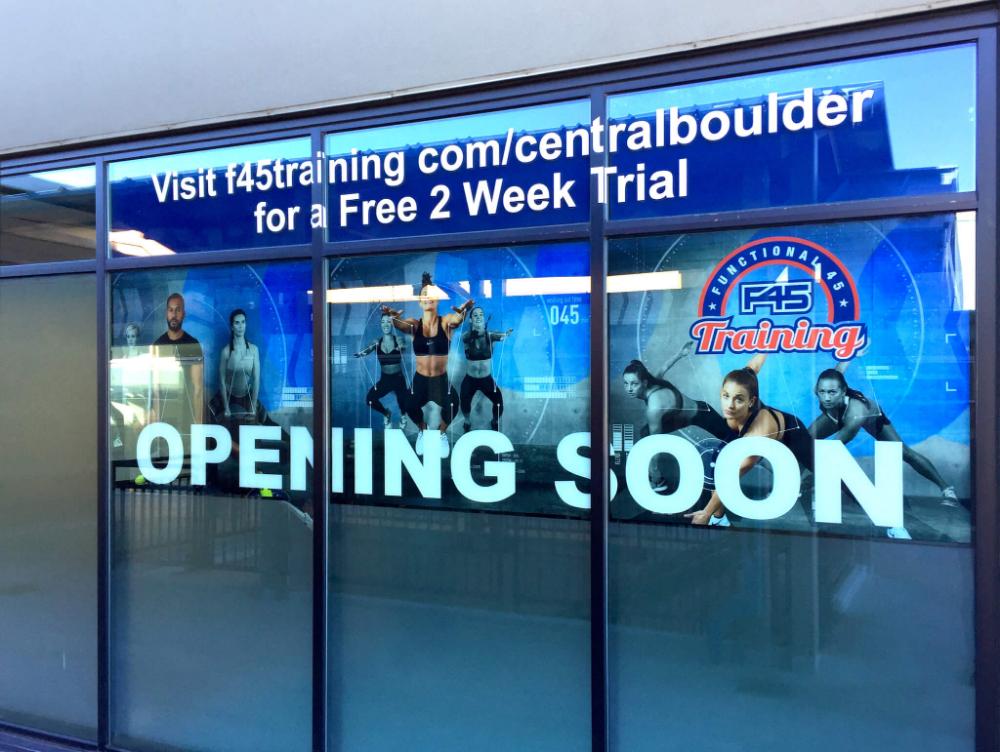
If you own or manage a business with exterior signage in Colorado, your signs face conditions that most sign maintenance guides never account for. The Front Range’s combination of intense high-altitude UV radiation, dramatic freeze-thaw cycles, spring hailstorms, and dry winter winds does more cumulative damage to exterior signs than almost anywhere else in the country — and most of that damage is preventable with a simple seasonal maintenance routine.
Sign maintenance — the regular inspection, cleaning, and repair of exterior business signage to preserve function and appearance — is one of the most overlooked investments a Colorado business owner can make. A well-maintained sign protects thousands of dollars in fabrication and installation costs, keeps your brand looking sharp year-round, and catches small problems before they become expensive failures. This guide walks through what your signs need in each season, what Colorado-specific damage to watch for, and when it’s time to call a professional sign maintenance service.
Why Colorado Weather Is Uniquely Hard on Exterior Signs
Colorado’s climate creates a specific and compounding set of challenges for exterior signage that generic sign maintenance advice simply doesn’t address. Here’s what business owners along the Front Range are actually dealing with:
High-Altitude UV Radiation
Denver sits at 5,280 feet — and every 1,000 feet of elevation increases UV exposure by roughly 8–10%. That means Denver-area signs receive significantly more UV radiation than the same sign would in a coastal city at sea level. The practical result: vinyl graphics fade faster, acrylic sign faces yellow and become brittle more quickly, and painted surfaces chalk and peel on accelerated timelines. UV-resistant materials and coatings help, but they don’t eliminate the need for regular inspection and touch-up.
Hail Damage
Colorado is one of the most hail-prone states in the country. The Front Range corridor — including Denver, Lakewood, Aurora, and the surrounding metro — sits in what insurance industry maps call ‘Hail Alley.’ A single significant hailstorm can crack or shatter acrylic sign faces, dent aluminum sign cabinets, damage LED modules, and strip vinyl from vehicle wraps or window graphics. After any storm with hail larger than quarter-size, exterior signs should be inspected — even if there’s no visible damage from street level.
Freeze-Thaw Cycles
Colorado’s spring and fall seasons bring repeated freeze-thaw cycles that stress mounting hardware, sealants, and structural components. Water that infiltrates a sign cabinet on a warm day can freeze overnight, expanding seams, cracking welds, and forcing moisture deeper into electrical components. Monument sign bases can shift as the ground alternately freezes and thaws. Annual hardware inspections after winter and after spring thaw catch these issues early, before they compromise structural integrity.
Dry Winters and Static Buildup
Colorado’s winters are arid — humidity regularly drops below 20% during dry cold fronts. Low humidity combined with temperature swings accelerates brittleness in vinyl films, increases static buildup on sign faces (which attracts and traps fine particulate), and dries out the sealants and gaskets that keep moisture out of illuminated cabinets. A fall maintenance visit that addresses sealants before the first hard freeze prevents a cascade of issues that show up the following spring.
Your Colorado Exterior Sign Maintenance Schedule by Season
Spring Sign Maintenance (March–May)
Spring is the most important maintenance window for Colorado businesses. It follows the most damaging season and precedes the hail-heavy months of May and June. A spring inspection catches winter damage early and prepares your signs for the most active outdoor advertising season of the year.
Spring Maintenance Checklist
Inspect mounting hardware: Check all bolts, brackets, and anchors for corrosion, loosening from freeze-thaw movement, or cracking. Torque to spec if hardware has shifted.
Check and reseal seams: Inspect all exterior seams, gaskets, and cable penetrations for gaps opened by winter expansion. Reseal with appropriate exterior-grade silicone before spring rain season.
Clean sign faces and cabinets: Remove winter grime, road salt spray, and particulate from sign faces and framing. Use pH-neutral cleaner with a soft microfiber cloth — abrasive pads scratch acrylic faces.
Test all illuminated sign components: Cycle power on LED modules, check for failed sections, verify timer and photocell function, and inspect wiring connections for moisture ingress.
Assess vinyl condition: Check vinyl graphics and window films for edge lifting, cracking, or fading. Early repair of edge lift prevents water infiltration and extends service life significantly.
Summer Sign Maintenance (June–August)
Colorado summers bring intense UV, afternoon thunderstorms, and the peak of hail season. Summer maintenance is less about deep inspection and more about monitoring, prompt post-storm response, and staying ahead of UV degradation.
Summer Maintenance Checklist
Post-storm hail inspection: After any hailstorm, visually inspect sign faces, cabinet surfaces, and LED components. Look for cracked acrylic faces, dented panels, and surface pitting. Document with photos and contact your sign company if you suspect internal damage.
Monitor for UV fading: Photograph signs in consistent lighting monthly during summer. Side-by-side comparison over 2–3 months reveals early fading invisible day to day. Addressing fading early is far less expensive than full panel replacement.
Clean buildup after storms: Afternoon thunderstorms deposit dust, pollen, and mineral deposits on sign faces. Clean after significant rain — dried mineral deposits can etch acrylic if left in place.
Check electrical ventilation: Ensure LED cabinet ventilation louvers are clear of debris and insect nests. Blocked ventilation shortens LED driver life significantly.
Fall Sign Maintenance (September–November)
Fall is your preparation window — what you address now determines how your signs survive winter. This is the second most important maintenance visit of the year for Colorado businesses.
Fall Maintenance Checklist
Reseal all exterior seams and penetrations: Before the first hard freeze, ensure every seam, gasket, and cable penetration is properly sealed. Water entering a sign cabinet in fall expands as it freezes and causes damage that doesn’t surface until spring.
Inspect and clean LED components: Remove debris, clean LED modules, and inspect all driver connections before cold temperatures stress electrical components. Address marginal LED sections now — cold weather accelerates failures in already-degraded components.
Assess monument sign foundations: Check monument sign bases and pylon footings for cracking or separation before the ground freezes. Foundation repairs in fall are straightforward; the same repairs in frozen ground require significantly more labor and cost.
Review vinyl and film adhesion: Cold temperatures reduce vinyl adhesion and worsen edge-lifting. Address any lifting edges or bubbles before the first freeze. Heated re-application in fall is far simpler than replacement after winter damage.
Update seasonal graphics: If you use seasonal promotional window films or graphics, fall is the time to install them while temperatures allow proper adhesive cure.
Winter Sign Maintenance (December–February)
Colorado winters don’t require extensive active maintenance — but they do require awareness and prompt response when issues arise. The primary winter tasks are observation, electrical monitoring, and addressing storm damage before it compounds.
Winter Maintenance Checklist
Monitor illuminated signs through cold snaps: LED drivers and power supplies are most vulnerable below 0°F. Check that illuminated signs are functioning during and after extreme cold events. A sign that dims or sections out in severe cold may have a failing driver — catch it before complete failure.
Keep sign faces clear of snow buildup: Snow accumulation on horizontal monument sign caps and recessed channel letter trays adds structural load and traps moisture. Clear with a soft brush — never use metal tools or ice scrapers on sign faces.
Document storm damage promptly: Photograph wind damage or impact damage after winter storms while conditions are fresh. Insurance documentation is significantly easier with timestamped photos taken shortly after the event.
Avoid DIY electrical work in winter conditions: Cold-weather electrical work on sign cabinets carries additional risks. If you suspect electrical damage from storm impact, contact a professional sign maintenance service rather than attempting repairs in freezing conditions.
Maintenance Notes by Sign Type
Different sign types have different maintenance requirements — and different vulnerabilities in Colorado’s climate. Here’s what to know for the most common exterior sign types:
Channel Letters: Individual welds and returns collect moisture and debris. Inspect welds annually for separation and verify that drainage holes at the base of each letter remain clear. In hail events, individual letter faces can crack without being visible from street level — inspect at eye level after any significant storm.
Illuminated Cabinets (Box Signs): Cabinet signs are particularly vulnerable to moisture infiltration and UV face degradation. Inspect the perimeter gasket annually and replace at the first sign of hardening or cracking. LED modules behind degraded or yellowed faces run hotter and fail sooner — replace faces proactively rather than waiting for complete failure.
Monument Signs: Subject to foundation movement, cap cracking from freeze-thaw, and base staining from ground moisture. Annual inspection of foundation and structural components is especially important for tall monument signs with significant wind load exposure.
Vehicle Wraps: Colorado’s UV intensity and dry winter air are among the toughest conditions for vinyl wraps. Wash monthly, avoid automatic car washes with harsh brushes, and park under cover when possible. Most quality wraps in Colorado show significant fading by year 4–5; plan for replacement on a 5-year cycle.
Vinyl Graphics and Window Films: UV exposure and temperature cycling cause vinyl graphics to fade, bubble, and edge-lift faster in Colorado than in lower-elevation markets. Inspect quarterly and address adhesion issues before they become full panel failures.
What You Can Handle vs. When to Call a Professional
Not every sign maintenance task requires a professional — but some absolutely do. Here’s how to think about the division:
Tasks Business Owners Can Handle
Surface cleaning: Regular cleaning with pH-neutral cleaner and a soft cloth. Avoid ladders above 6 feet without proper fall protection.
Visual inspection: Walking the perimeter and photographing what you observe. Checking that illuminated signs are functioning after cold snaps and storms.
Clearing snow and debris: Gently brushing accumulated snow from sign faces with a soft-bristled brush. Clearing debris from around monument sign bases.
Storm damage documentation: Photographing damage promptly after hail or wind events for insurance purposes.
Tasks That Require a Professional Sign Maintenance Company
Any electrical work: LED driver replacement, wiring inspection, power supply service, and photocell/timer adjustment require proper tools and sign-system expertise.
Hardware inspection and torquing: Re-torquing mounting hardware on wall-mounted and pylon signs requires understanding load ratings and proper procedures for each sign type.
Sealing and caulking: Correct sealant selection and application requires experience — the wrong sealant can accelerate degradation rather than prevent it.
Hail damage assessment: What looks cosmetic from the ground may indicate internal damage to LED modules or wiring. Professional inspection after significant hail events avoids missed damage that compounds over time.
Any work requiring a lift or boom truck: Exterior sign work above safe ladder height should always be handled by a professional with proper equipment.
Professional Sign Maintenance Service in Colorado
Vision Visual Signs provides professional exterior sign maintenance and repair for businesses throughout the Denver metro area and Front Range. Our services cover inspection, cleaning, electrical service, hardware re-torquing, sealant replacement, hail damage assessment, and post-storm documentation — everything your signs need to stay functional, safe, and looking sharp through Colorado’s seasonal extremes.
If your exterior signs are overdue for an inspection, showing signs of UV fading or hail damage, or you want a professional assessment before winter, we’re available for site visits throughout Lakewood, Denver, Arvada, Littleton, Golden, and the surrounding area. Our sign maintenance team understands Colorado’s climate and the specific failure modes it creates — because we install and service signs here every season.
Sign Maintenance FAQs for Colorado Business Owners
How often should exterior business signs be inspected in Colorado?
Exterior signs in Colorado should be inspected at least twice per year — once in spring (after winter) and once in fall (before winter). Signs with electrical components benefit from a third mid-year inspection in summer, particularly after the peak hail season in May and June. High-profile signs with significant storm exposure may warrant quarterly checks.
What does hail do to exterior signs, and what should I check after a storm?
Hail can crack or shatter acrylic sign faces, dent aluminum cabinet panels, damage LED modules and drivers, and strip vinyl graphics from sign surfaces. After any Colorado hailstorm with hail larger than quarter-size, inspect sign faces for cracking or pitting, check cabinet panels for dents, and verify all illuminated sections are still functioning. Document any damage with dated photos and contact a sign maintenance service if you suspect internal damage.
How do I clean exterior signs without damaging them?
Use a pH-neutral, non-abrasive cleaner applied with a soft microfiber cloth or sponge. Avoid pressure washers at close range (they force water into seams), abrasive pads (they scratch acrylic faces), and ammonia-based cleaners (they cloud polycarbonate). Rinse thoroughly with clean water and allow to air dry. For signs above safe ladder height, hire a professional sign maintenance company.
How long do exterior signs last in Colorado’s climate?
With regular maintenance, quality exterior signs in Colorado typically last 10–15 years before major component replacement is needed. Without maintenance, the same signs often show significant degradation in 5–7 years due to UV exposure, hail damage, and freeze-thaw stress. LED components generally have a 50,000+ hour rated lifespan but may fail sooner if moisture infiltration or ventilation problems go unaddressed.
What is the difference between sign maintenance and sign repair?
Sign maintenance is proactive and preventive — regular inspections, cleaning, hardware checks, and small corrections before problems develop. Sign repair is reactive — addressing damage or failures after they occur. Businesses that invest in regular maintenance spend significantly less on repair over the life of their signs, because small issues are caught and corrected before they become large, expensive failures.
Do I need a permit to repair or maintain an existing sign in Denver or Lakewood?
A: Routine maintenance and repair — cleaning, replacing a failed LED component, re-sealing a cabinet — generally does not require a permit. Structural modifications or changes to sign dimensions may require a permit through the City of Denver or Jefferson County. Your sign maintenance company can advise on permit requirements for specific repair scopes and handle the application if needed.