
 (77 Ratings & Reviews)
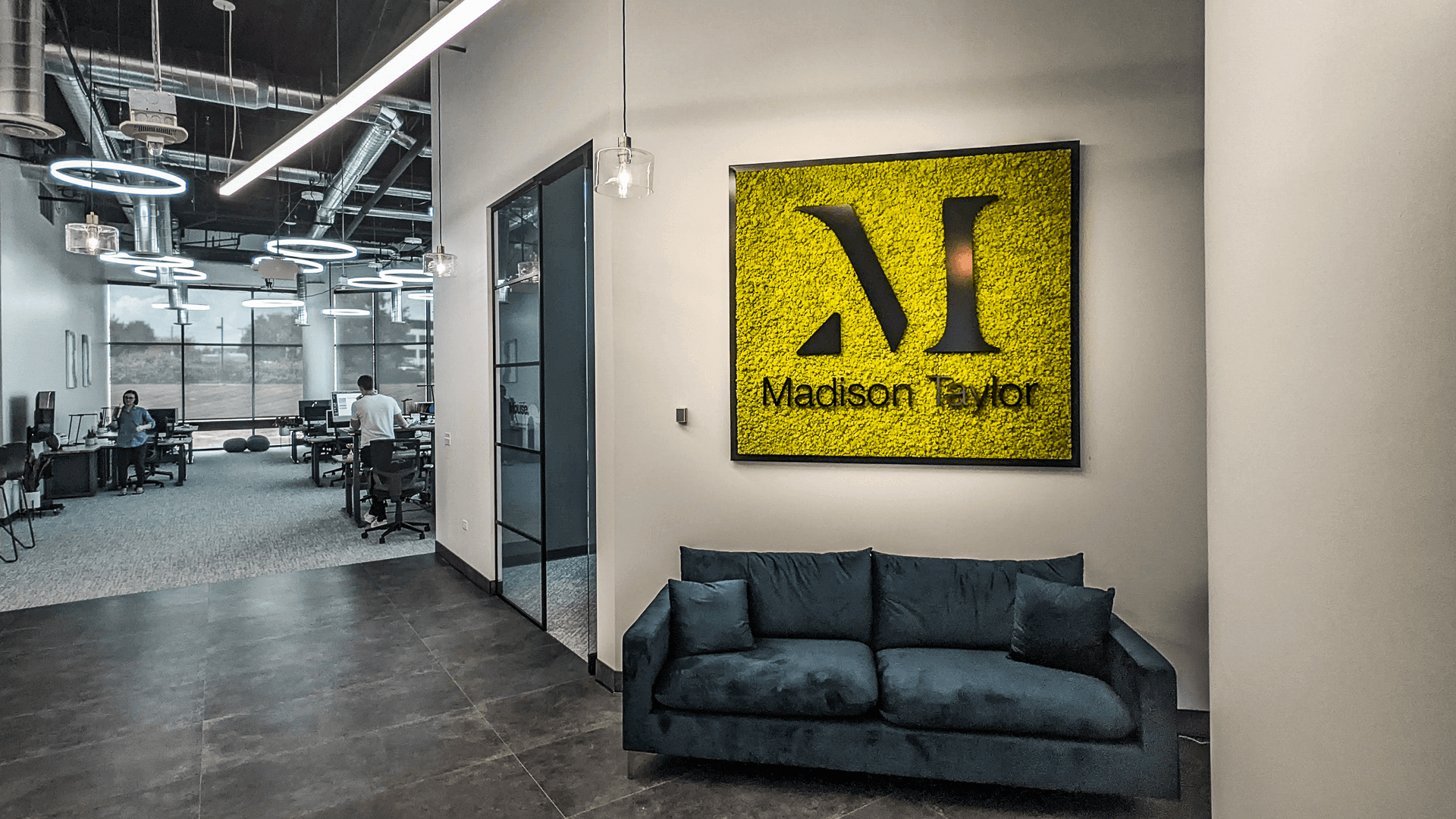
Medical office signs in Denver are interior and exterior sign systems that help patients, visitors, and staff navigate healthcare facilities. A complete sign package typically includes ADA-compliant room identification signs, lobby reception displays, wayfinding directionals, and interior décor signs. In Denver — where facilities range from large hospital campuses to boutique specialty practices — signage must meet both the 2010 ADA Standards for Accessible Design and Colorado state accessibility requirements.
Types of interior signage for Denver medical offices
Most Denver medical offices need some combination of the following sign types:
- Lobby and reception signs — The first thing patients see. Options include dimensional letters, acrylic panel logos, illuminated backlit signs, and custom reception backdrops.
- ADA room identification signs — Required by law for any permanently designated room (exam rooms, restrooms, offices). These need Grade 2 Braille, tactile raised characters, and a mounting centerline at 60″ per 2010 ADA Standards.
- Wayfinding and directional signs — Guide patients from the parking lot to the right department. Good wayfinding cuts down on patients stopping staff to ask where to go, which adds up in a busy clinic.
- Interior décor and wall graphics — Wall murals, privacy window graphics, and environmental graphics. A waiting room that doesn’t look like a waiting room tends to lower patient anxiety.
- Digital directory signs — Useful in multi-tenant medical buildings where provider lists change frequently. Updating a screen is faster and cheaper than reprinting a static directory.
Vision Visual Signs produces all of these in-house in Denver, which cuts down on shipping time and means you’re dealing with one contact from design through installation.
ADA signage requirements for Colorado medical offices
ADA compliance isn’t optional for medical facilities — it’s a federal requirement under the Americans with Disabilities Act, and non-compliant signage can expose a practice to complaints and legal liability. Here’s what Colorado medical offices need to know:
- Tactile characters and Braille: Required on all signs identifying permanent rooms. Characters must be raised 1/32″ minimum and accompanied by contracted Grade 2 Braille below.
- Mounting height: Signs must be mounted so the centerline is 60″ from the floor, on the latch side of the door where possible.
- Contrast: A minimum 70% light reflectance contrast between characters and background — typically dark on light, or vice versa.
- Finish: No gloss. Matte or satin finishes only on tactile ADA signs.
We design every ADA sign package to meet 2010 ADA Standards for Accessible Design. If you’re renovating an existing Denver medical office, we can audit your current signage for compliance gaps before your next inspection — just ask during your consultation.
Serving Denver’s medical community
Vision Visual Signs has produced interior signage for medical offices, dental practices, urgent care clinics, and specialty healthcare facilities across the Denver metro — including Aurora, Lakewood, Centennial, and Englewood. Healthcare environments have specific requirements: materials that hold up to frequent cleaning, layouts that don’t expose patient information in the waiting area. We do a site visit before starting any medical sign package because the floor plan and patient flow have to inform the design.
Frequently asked questions: medical office signs in Denver
What types of signs does a medical office in Denver need?
Most offices need ADA room ID signs, lobby reception signage, wayfinding directionals, and interior décor graphics. The scope depends on how many rooms you have and how complex the patient flow is. A multi-physician group needs a different system than a solo practitioner — we figure that out during the site visit.
Are Colorado medical offices required to have ADA signs?
Yes. Any medical office open to the public must comply with ADA signage requirements under the 2010 ADA Standards for Accessible Design, which apply federally across Colorado. ADA-compliant signs with tactile characters and Grade 2 Braille are required on all permanent room designations. Non-compliance can result in complaints filed with the U.S. Department of Justice.
How long does it take to get interior signage made for a Denver medical office?
A standard package — lobby sign, ADA room IDs, and wayfinding — takes 2–4 weeks from approved artwork to installation. Smaller packages can be done in 7–10 business days if needed. We produce everything in-house in Denver, so there’s no shipping delay if something needs to change before installation.
What is the best material for medical office signs?
For ADA room ID signs, matte acrylic is the standard — it meets non-glare requirements and cleans easily. For lobby and reception signs, brushed aluminum, dimensional acrylic letters, and HDU are common options that hold up in high-traffic environments. We’ll recommend based on your cleaning protocols and what the space actually looks like.
Can you help design signage that matches our practice’s branding?
Yes. We work from your existing logo files, color palette, and typography. If you don’t have a formal brand guide, we can develop one as part of the project.