
 (77 Ratings & Reviews)
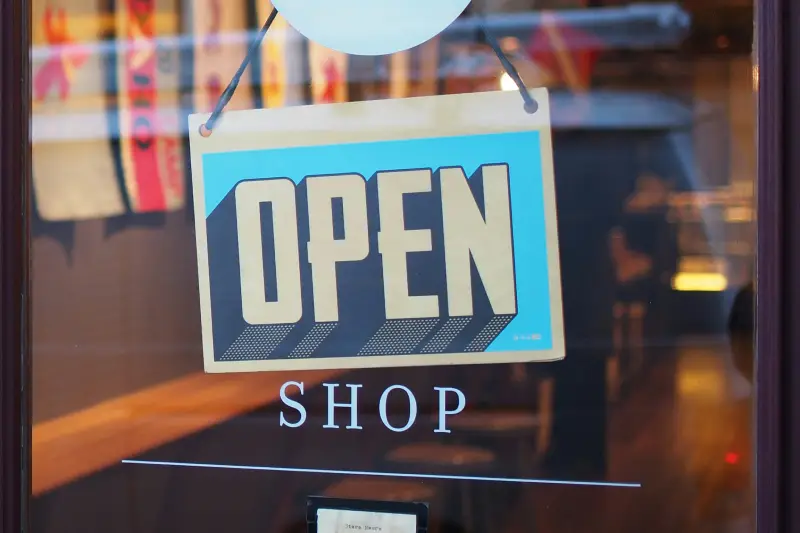
The storefront sign gets a business noticed from the street. Once a customer steps through the door, the sign’s job is done. What happens next, in the 10, 20, or 40 minutes a customer spends inside, is determined by something broader: the branded interior environment. Denver’s most memorable retail spaces (from Cherry Creek boutiques to Highlands wellness studios to RiNo specialty food shops) share a quality that goes beyond good product selection and friendly service. They make the space itself part of the brand experience. Interior brand decor for retail is the system of visual elements (murals, dimensional graphics, environmental signage, floor treatments, window applications) that turns a room into an expression of a brand rather than just a container for products.
What Interior Brand Decor Actually Means for Retail
Interior brand decor is different from retail signage in an important way. Signage identifies, directs, and informs. Brand decor communicates identity, sets atmosphere, and shapes how customers feel in the space. A directional sign tells you where the fitting rooms are. A brand environment makes you feel like the brand understands you before you’ve looked at a price tag.
The distinction matters because the two need different thinking. Signage is mostly functional and can be handled with standard products. Brand decor is contextual. It depends on the specific brand, the specific space, and the specific customer. A treatment that works perfectly for a premium athletic apparel brand in Cherry Creek would feel completely wrong on the same wall in a value-oriented sporting goods store. Getting interior brand decor right means understanding what the brand needs to communicate, then finding the graphic elements that carry that communication without overstating it.
The business case for investing in brand decor is increasingly clear. Research on dwell time in retail environments consistently shows that customers who feel engaged by a space stay longer, browse more broadly, and spend more. When the primary competitor to any Denver physical retailer is an online equivalent with better selection and lower prices, creating an experience that the online version can’t replicate is a real advantage.
The Key Elements of a Branded Retail Interior in Denver
Wall Murals and Environmental Graphics
Large-format murals are the highest-impact single element in most retail brand environments. Printed on high-quality adhesive vinyl and applied directly to a painted wall, a well-designed mural can transform a space and create an immediate, shareable visual identity. Denver retailers have used murals to bring in local artists (a growing trend in the RiNo and Highlands corridors that reinforces community positioning) and to translate brand photography, pattern, and illustration into physical space at a scale that stops people in their tracks.
Mural applications range from a single feature wall behind a cash wrap to a full room wrap covering walls, ceiling soffits, and exposed structural elements. Printed vinyl can reproduce photography, illustration, typography, and abstract patterns with an accuracy that wasn’t commercially available ten years ago. Substrate and adhesive selection matter in Denver’s retail environments. High-UV storefronts need UV-stable laminates, and vinyl on high-traffic walls or display fixture backs needs a heavier cast vinyl rather than a lighter calendered product.
Dimensional Brand Logos and Feature Walls
Dimensional elements (fabricated letters, logos, and decorative panels that extend from the wall) add physical depth that flat graphics can’t achieve. A painted or mural surface reads as two-dimensional even at scale. A brushed aluminum wordmark on standoffs, a dimensional logo with a shadow gap, or a layered architectural panel creates a tactile quality that photographs well, feels permanent, and reads as an investment in the space.
Feature walls combining dimensional elements with mural backgrounds are among the most common requests we get from Denver retailers. The combination works because neither element alone does what both do together: the mural sets context and atmosphere, the dimensional element focuses attention and creates a signature moment for the brand.
Window Graphics That Work Inside and Out
Retail window graphics serve two audiences at once: the pedestrian outside deciding whether to enter, and the customer inside experiencing the brand environment. A well-designed window graphic program accounts for both. From outside, the graphics should communicate what the store sells and something about its personality. From inside, they should contribute to the branded interior without blocking natural light or creating a closed-in feeling.
Frosted or etched-appearance vinyl is a popular solution in Denver retail because it lets diffused light through while creating a privacy layer that helps the interior merchandise read more clearly. Perforated vinyl (opaque from outside, see-through from inside) allows full-coverage window graphics without sacrificing the view from the sales floor. Cut vinyl patterns applied at the windowsill height can define the retail environment without blocking light at eye level.
Wayfinding That Carries Brand Identity
In larger retail environments (multi-floor stores, markets, showrooms), wayfinding often gets treated as a purely functional problem and solved with generic arrow signs in neutral finishes. That’s a missed opportunity. Wayfinding signs are among the most frequently viewed elements in a retail environment because customers look at them repeatedly during a visit. Designing wayfinding in brand type, colors, and material language turns a functional necessity into a brand touchpoint that reinforces identity with every glance.
Floor Graphics and Branded Surface Treatments
Floor graphics are among the most underused tools in retail brand environments and among the most effective at directing attention and creating moments of surprise. Applied in high-traffic areas (entries, checkout areas, product launch zones), floor graphics in retail-rated vinyl with a slip-resistant overlaminate can carry brand messaging, directional cues, or decorative patterns on a surface most retailers leave completely blank. The materials have improved a lot. Current floor graphic products hold up to commercial foot traffic and routine cleaning for 12 to 18 months in most retail environments.
How Denver Retail Brands Are Using Interior Decor to Stand Out
Denver’s retail landscape has become more competitive and more design-conscious over the past five years, driven partly by the growth of residential neighborhoods like RiNo, Sunnyside, and Platt Park. Those areas have drawn in independent retailers serving customers with strong aesthetic preferences and the willingness to pay for quality and experience.
The pattern we see most clearly across projects is that independent retailers are increasingly using interior brand decor to compete on experience rather than price or selection. A specialty food retailer in the Highlands can’t beat a national chain on price or product range. But they can create an environment where buying that cheese or that bottle of wine feels like participating in something the customer cares about (local, intentional, craft-oriented). The interior brand environment communicates all of that before a single word is spoken.
In the health and wellness category (yoga studios, supplement retailers, medical aesthetics practices), interior brand environments have become close to obligatory because the product is inseparable from the feeling the space creates. The clinical sterility that worked for a dermatology practice ten years ago is starting to work against operators today, when competitors have invested in environments that feel more like a design hotel than a medical office.
Materials That Hold Up in Denver’s Retail Environment
Denver’s combination of high UV index, low humidity, and occasional temperature extremes makes material selection more important than in many other markets. Vinyl products that perform adequately in coastal markets can yellow, crack, or lose adhesion faster at elevation and in Colorado’s dry winter air.
For any vinyl on a surface that gets direct sunlight in a Denver retail environment, a UV-stable laminate is essential. We use cast vinyl as the base material for curved or textured surfaces and applications that need to last more than two years without visible degradation. Calendered vinyl is fine for flat surfaces in lower-UV exposure areas (back-of-store walls, covered window areas) at a lower cost per square foot. For floor graphics, a minimum 6-mil vinyl with a slip-resistant overlaminate rated for commercial use is the right spec.
For dimensional elements, powder-coated aluminum is the workhorse material in Denver retail. It holds color accurately, doesn’t rust, handles the humidity swings between Denver’s dry winters and monsoon-influenced late summers, and is light enough to mount without structural reinforcement in most wall types. Painted MDF is a cost-effective alternative for protected interior applications, but not for anywhere that might see moisture.
Budgeting for Interior Brand Decor in a Denver Retail Space
Interior brand decor investment scales with space size, material quality, and design complexity. A focused feature wall treatment (one large mural application with a dimensional logo element) is accessible at $3,000 to $8,000 installed for most retail spaces. A full interior brand environment covering multiple walls, window applications, wayfinding, and floor graphics for a mid-size Denver retail footprint typically runs $15,000 to $40,000 depending on materials and complexity.
A phased approach usually makes the most sense for retailers with a defined budget. Prioritize the highest-impact element first (usually a feature wall at the point of entry or behind the primary focal point in the store), then add elements in later phases as the brand grows and the case for more investment becomes clearer. We work with Denver retail clients on both single-installation projects and phased programs, and we hold documentation of what was installed so phase two goes smoothly.
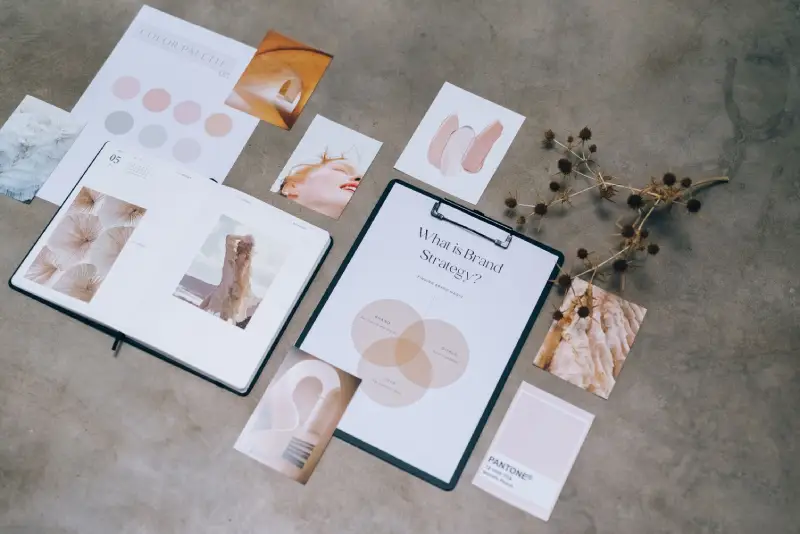
Cost drivers to know going in: total surface area (larger means more material and labor), material tier (cast vs. calendered vinyl, aluminum vs. painted MDF), installation complexity (smooth drywall vs. textured or irregular surfaces), and whether design is included or you’re providing production-ready files. Having brand guidelines, vector art, and Pantone specs ready at project kickoff compresses the timeline and cuts revision cycles significantly.
Frequently Asked Questions
What is the difference between interior brand decor and regular retail signage?
- Retail signage mostly serves functional purposes: identifying the store, directing customers, pricing products, and communicating promotions. Interior brand decor is a broader category that includes the environmental graphics, murals, dimensional elements, and surface treatments that create the branded atmosphere of a space. Signage informs. Brand decor communicates identity and shapes how customers feel in the environment.
How long do murals last in a retail environment?
- A mural printed on cast vinyl with a UV-stable laminate, professionally installed on a properly prepared surface, typically lasts five to seven years in a Denver retail interior before showing significant fading or edge lift. High-UV areas near south-facing windows may see a shorter lifespan. Calendered vinyl without UV laminate can start showing degradation in two to three years in high-sun exposure. Proper surface prep and the right material spec are the two biggest factors in mural longevity.
Can you update interior brand decor without a full renovation?
- Yes. Vinyl-based applications (murals, window graphics, floor graphics) are designed to be removable and replaceable. A brand refresh or seasonal campaign can update key visual elements without touching painted walls, fixtures, or architecture. Dimensional elements like fabricated letters or logos take more work to remove and replace but are also updatable. We regularly help Denver retailers refresh specific elements of their brand environment to reflect rebrands or seasonal campaigns without a full redesign.
Does interior brand decor require permits in Denver?
- A: Most interior brand decor installations (murals, vinyl graphics, dimensional decorative elements) don’t need building permits in Denver. Exceptions include installations that involve electrical components (illuminated signs, LED features), structural modifications, or work in sprinkler-protected areas where ceiling work is involved. If you’re not sure, your sign contractor should be able to confirm permit requirements for specific elements before work starts.