
 (77 Ratings & Reviews)
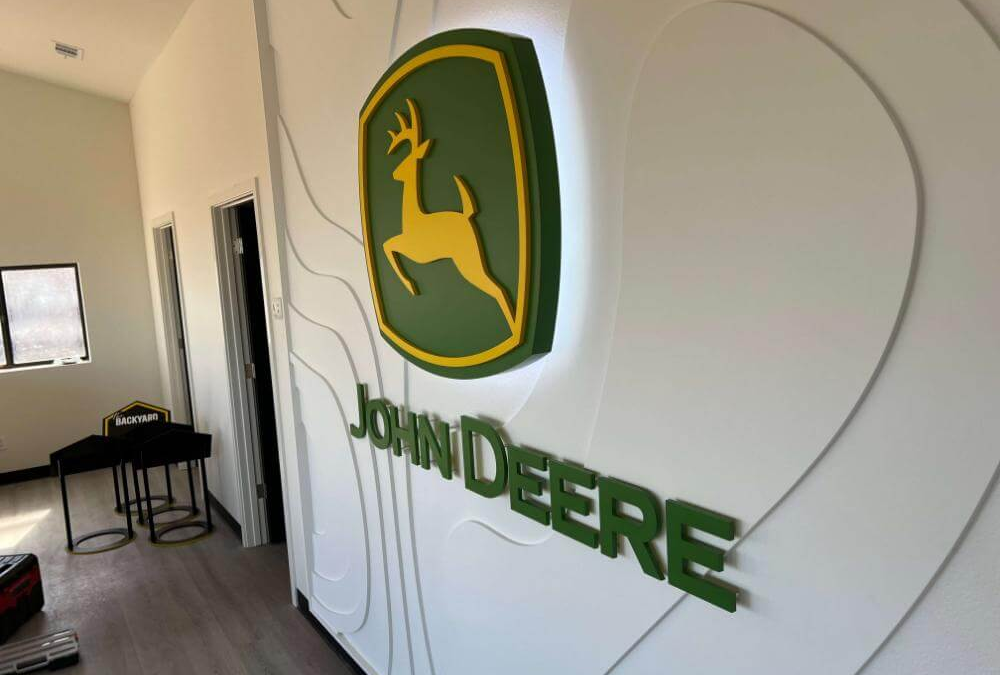
Not every sign needs to shout. Some of the most effective commercial signs work quietly — a steady glow that draws the eye without demanding attention, a premium finish that communicates quality before anyone reads a word. That is what backlit signs do well.
We install backlit signs for businesses across Denver, Lakewood, Golden, and the greater Front Range. This post covers what backlit signs actually are, the main types, where they work best, and what to consider before investing in one.
What Is a Backlit Sign?
A backlit sign is any sign where the light source sits behind the visible surface rather than in front of it. Instead of illuminating the face of a sign directly, the light projects through a translucent material or around the edges of opaque letters, creating a glow effect that reads as polished and intentional.
The term gets used loosely in the industry, so it helps to be specific. When most people say “backlit sign,” they mean one of a few distinct types:
The Main Types of Backlit Signs
Lightbox Signs (Backlit Panels)
A lightbox sign is a rectangular cabinet with LED modules inside and a translucent printed face. The graphic or logo is printed on the face material, and the internal LEDs illuminate it from behind. These are common in retail environments, medical offices, and directories in multi-tenant buildings. They are versatile, relatively cost-effective, and easy to update when branding changes.
Halo-Lit (Reverse Channel Letters)
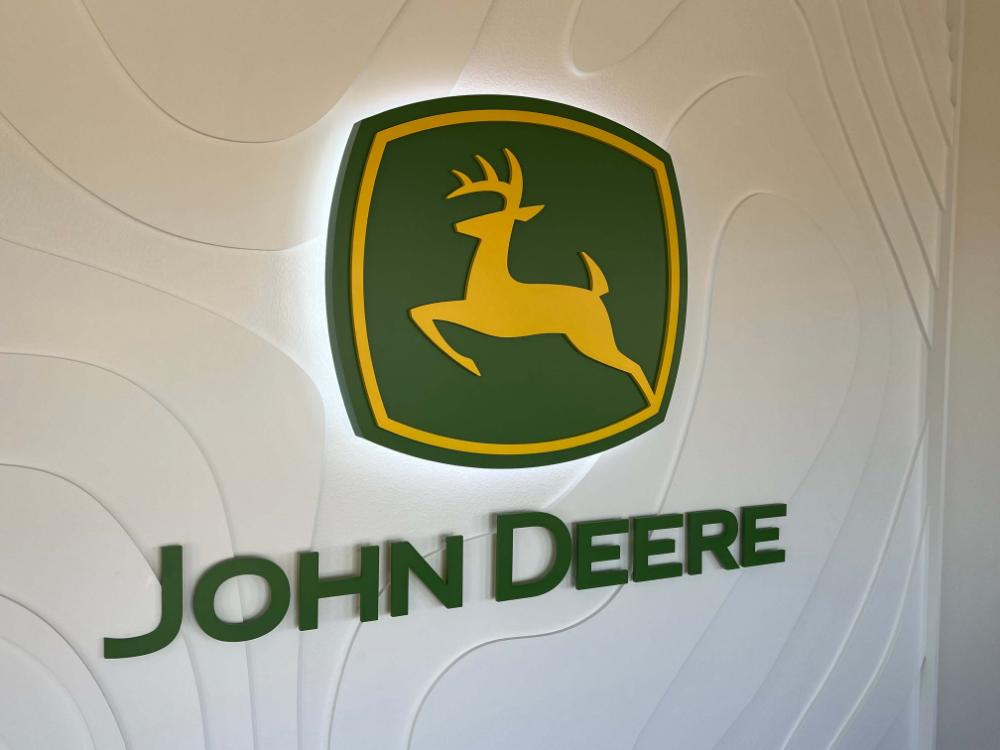
Halo-lit letters are fabricated with a solid face and open back, with LED strips mounted inside projecting light onto the wall behind the letters. The result is not a glowing letter but a glowing halo around each character. The effect is subtle, sophisticated, and works particularly well on dark or textured wall surfaces. It is one of the most requested options for professional services firms, medical practices, and upscale retail across the Denver metro.
Edge-Lit Acrylic Signs
These signs use a clear or frosted acrylic panel with LEDs mounted along one or more edges. The light travels through the acrylic and illuminates engraved or printed elements from within. Edge-lit signs are common in reception areas, conference rooms, and directional wayfinding systems. They tend to have a sleek, minimal look that works well in modern office environments.
Backlit Fabric Displays
Used primarily in trade show environments and high-end retail, backlit fabric displays stretch a printed fabric graphic over a lit frame. They are lightweight, portable, and create a large-format illuminated presence. For permanent commercial installations they are less common, but for showrooms and event spaces they are worth knowing about.
Where Backlit Signs Work Best
Backlit signs are not always the right choice, but when the environment calls for them, they outperform other options.
- Reception areas and lobbies: A halo-lit logo sign on a feature wall communicates brand quality immediately. We see this consistently in law firms, financial services offices, and healthcare facilities across Denver and the Tech Center.
- Retail environments: Lightbox displays and backlit product graphics add visual hierarchy and help guide customers through a space without additional staff.
- Medical and dental offices: The cleaner, calmer glow of backlit and edge-lit signs fits the professional, trustworthy aesthetic that patients respond to positively.
- Exterior signage in lower-light areas: Halo-lit exterior channel letters on buildings set back from the street, or on darker-colored facades, create strong visibility without the brightness of front-lit options.
- Directories and wayfinding: Multi-tenant buildings in Denver use backlit directory panels because they are readable at any hour and maintain a consistent, professional appearance.
What to Know Before You Invest
Wall surface matters. Halo-lit signs work best on walls that have some depth or texture for the light to play against. On bright white smooth walls, the halo effect is less dramatic. On dark, textured, or colored walls, it is striking.
Lightboxes need occasional face updates. If your branding changes, a lightbox sign requires reprinting the face. This is generally affordable, but it is worth factoring into the long-term cost.
LED technology has standardized quality. Modern LED backlighting is highly uniform. The visible hot spots and color variation that plagued older fluorescent lightboxes are largely gone. That said, fabrication quality still varies between sign companies — so ask to see examples of installed work.
Permitting in Denver. Illuminated exterior signs require a sign permit in Denver, Lakewood, Golden, and most Front Range municipalities. Vision Visual Signs handles the permitting process as part of every project.
Is a Backlit Sign Right for Your Business?
If your brand values precision, sophistication, or a clean professional aesthetic, backlit signage is worth serious consideration. It tends to photograph well, ages gracefully, and works in environments where a more aggressive illuminated sign would feel out of place.
If you are weighing backlit options against front-lit channel letters or other illuminated sign types, our team can walk you through the tradeoffs based on your specific building, brand, and budget.
Ready to explore backlit sign options? We work with businesses across Denver, Golden, Lakewood, Stapleton, and the greater Front Range. Tell us about your space and we will recommend the right option.
View our illuminated sign portfolio | Request a quote
Vision Visual Signs — Custom commercial signage for Denver, Golden, Lakewood, Boulder, and the Greater Front Range. On Budget, On Time, On Spec.